Types of Massages: Swedish vs Deep Tissue vs Sports Massage
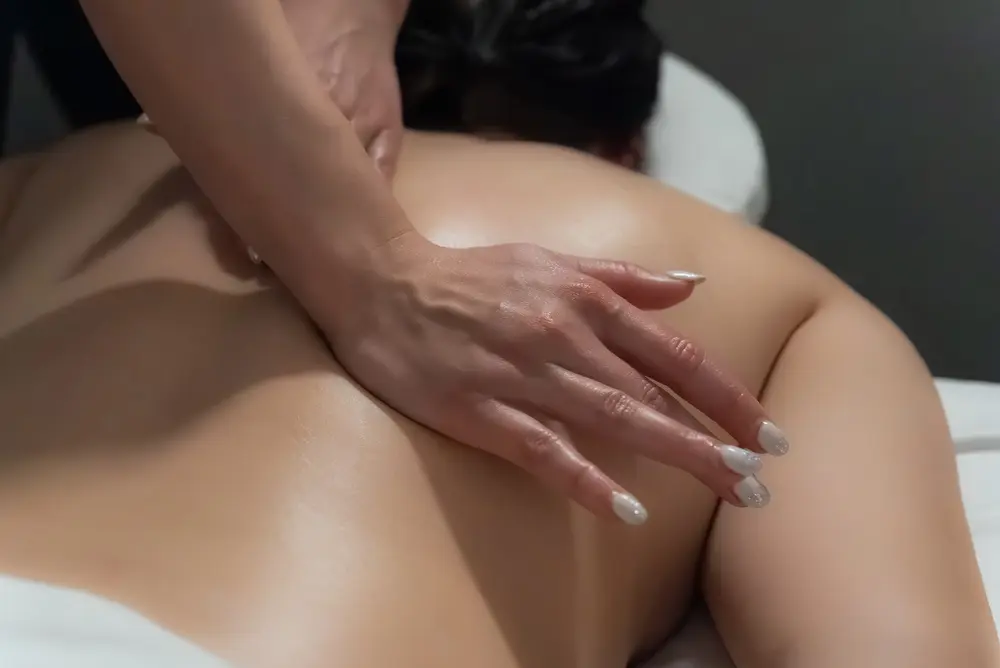

- Swedish massage reduces stress and improves circulation
- Deep tissue massage targets chronic tightness and restriction
- Sports massage supports recovery and movement performance
- Knots respond to targeted pressure and recovery habits
- Certain conditions require avoiding deep tissue massage
When you explore the types of massage therapy, you want clear, direct answers about what each session does for your body. You aren’t looking for general descriptions—you want to know how each type of massage reduces tension, improves mobility, and supports recovery. Swedish massage, deep tissue massage, and sports massage each deliver a distinct result. These different types of massages serve specific needs, and once you understand how each one works, it helps you choose a session tailored for your body.
Why These Massage Styles Are Often Compared
Swedish massage, deep tissue massage, and sports massage all focus on muscle tension, yet each one solves a different problem. Swedish massage reduces overall stress and promotes circulation. Deep tissue massage targets deeper muscle restriction and long-standing tightness. Sports massage improves recovery and supports how your body moves under physical demand.
The difference directly impacts your results. A relaxation-focused session will not resolve deep, chronic tightness. A high-pressure session will not deliver the same calming effect as a lighter approach. When the type of massage matches your body’s condition, you experience more effective relief, improved movement, and longer-lasting results.
Swedish Massage: Reduce Stress and Improve Circulation
Swedish massage lowers physical tension caused by daily stress and prolonged sitting. Your therapist uses controlled, flowing strokes with light to moderate pressure to increase blood flow and reduce muscle tightness without creating discomfort.
You experience noticeable relief in your neck, shoulders, and lower back during a full body massage as circulation improves and muscles begin to release. Your breathing slows, your body stops bracing, and your nervous system shifts out of a constant stress response. This creates a full-body reset that supports both physical and mental recovery.
Swedish massage works best for general tension, mild stiffness, and stress-related tightness. It provides consistent relief without intensity, making it an effective option when your body needs restoration rather than deep corrective work.
Deep Tissue Massage: Break Down Chronic Tightness and Restriction
Deep tissue massage focuses on areas where muscle tension builds over time and limits movement. Your therapist applies slow, direct pressure to reach deeper layers of muscle and fascia, targeting dense tissue that restricts mobility.
You feel the most impact in areas that stay tight despite stretching or rest. Common problem areas include the upper back, shoulders, hips, and lower back. The pressure works through adhesions and compacted muscle fibers, allowing your body to move with less restriction.
Deep tissue massage improves range of motion, reduces persistent tightness, and addresses patterns that cause recurring discomfort compared to other types of massage. This type of massage delivers targeted results when surface-level work does not create lasting change.
Who Should Not Get a Deep Tissue Massage?
Certain conditions require a lighter type of massage instead of deep tissue work. Blood clotting disorders, use of blood thinners, recent surgery, severe osteoporosis, and active inflammation increase sensitivity to pressure and raise the risk of irritation.
Your body also signals when pressure is too much. Sharp pain, excessive tenderness, or easy bruising indicate that deep pressure is not appropriate. A gentler approach protects your body while still reducing tension safely.
Sports Massage: Improve Recovery and Support Performance
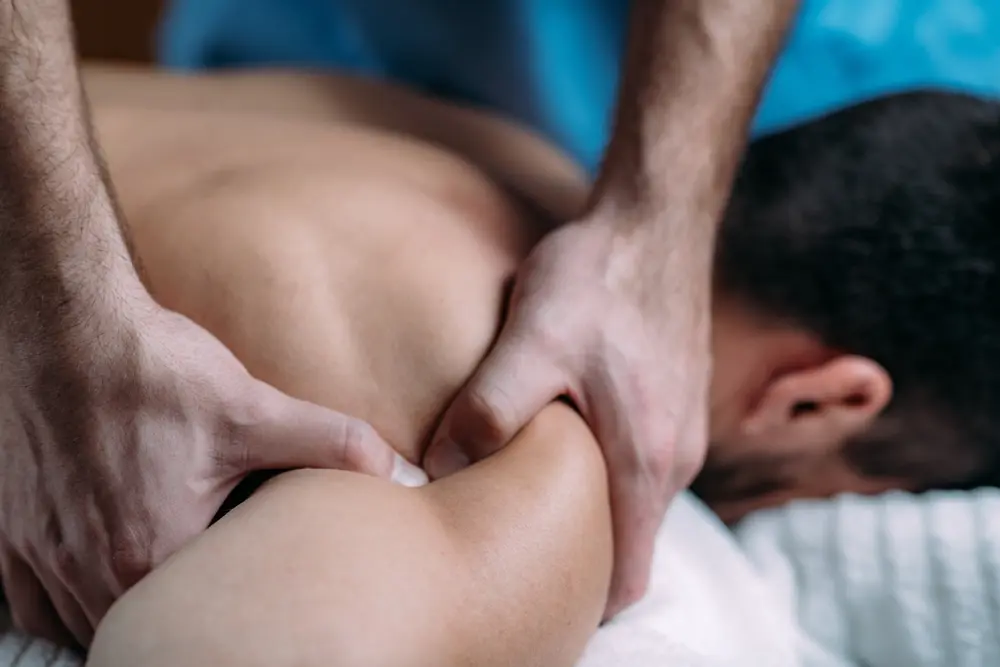
Sports massage focuses on how your muscles perform during and after physical activity, setting this apart from other types of massages. This type of massage supports recovery, reduces muscle fatigue, and improves flexibility for active individuals.
Your therapist uses targeted techniques during massage therapy in Eaglewood, CO, such as compression, stretching, and focused pressure to address overused or fatigued muscles. The session centers on specific muscle groups based on your activity patterns, allowing for more precise results.
You experience reduced soreness, improved flexibility, and better muscle response after treatment. Sports massage supports consistent movement, helping your body recover faster and function more efficiently during physical activity.
Does a Sports Massage Get Rid of Knots?
Sports massage reduces knots by applying sustained pressure to tight muscle bands and trigger points created through overuse or repetitive motion. This process helps restore normal muscle function and reduce localized tension.
You gain improved mobility and reduced tightness in the affected area after treatment. Long-term results depend on consistent recovery habits, including stretching, hydration, and proper rest. Massage addresses existing tension, while recovery habits prevent it from returning.
Deep Tissue or Sports Massage: Which Is Better for You?
Deep tissue or sports massage delivers different outcomes based on the source of tension. Deep tissue massage addresses chronic tightness, postural strain, and restricted muscle layers that develop over time. It focuses on breaking down dense tissue and restoring normal movement.
Sports massage addresses tension caused by activity, training, and repetitive motion. It supports muscle recovery and improves how your body performs under physical demand.
Chronic stiffness and long-term restriction respond more effectively to deep tissue massage. Activity-related soreness and movement-based tension respond more effectively to sports massage.
Matching your massage to the source of tension produces better results and prevents recurring discomfort.
How to Choose the Right Massage for Your Body
Your body responds best when the massage matches your primary need. General stress and full-body tension respond well to Swedish massage. Persistent tightness and restricted movement respond well to deep tissue massage. Activity-related soreness and recovery needs respond well to sports massage.
Clear communication with your therapist improves your results. Describing where you feel tension, how long it has been present, and how much pressure you prefer allows the session to be adjusted with precision. This creates a more effective experience with measurable, deeply relaxing outcomes.
At Zen’d Out Massage, you receive focused care designed around how your body feels and what it needs next. Book a massage with us or reflexology session and leave with reduced tension, improved mobility, and a clear understanding of which type of massage supports your body moving forward.
Meet Our Massage Therapists
Fully Licensed Massage Therapists in Denver

Maria Acuna

Prangtip Tipsangtong

Elena Vegas

Sophia Luksic

Wanda Maddox