How Do Massage Therapists Customize Couples Massage in Denver, CO?
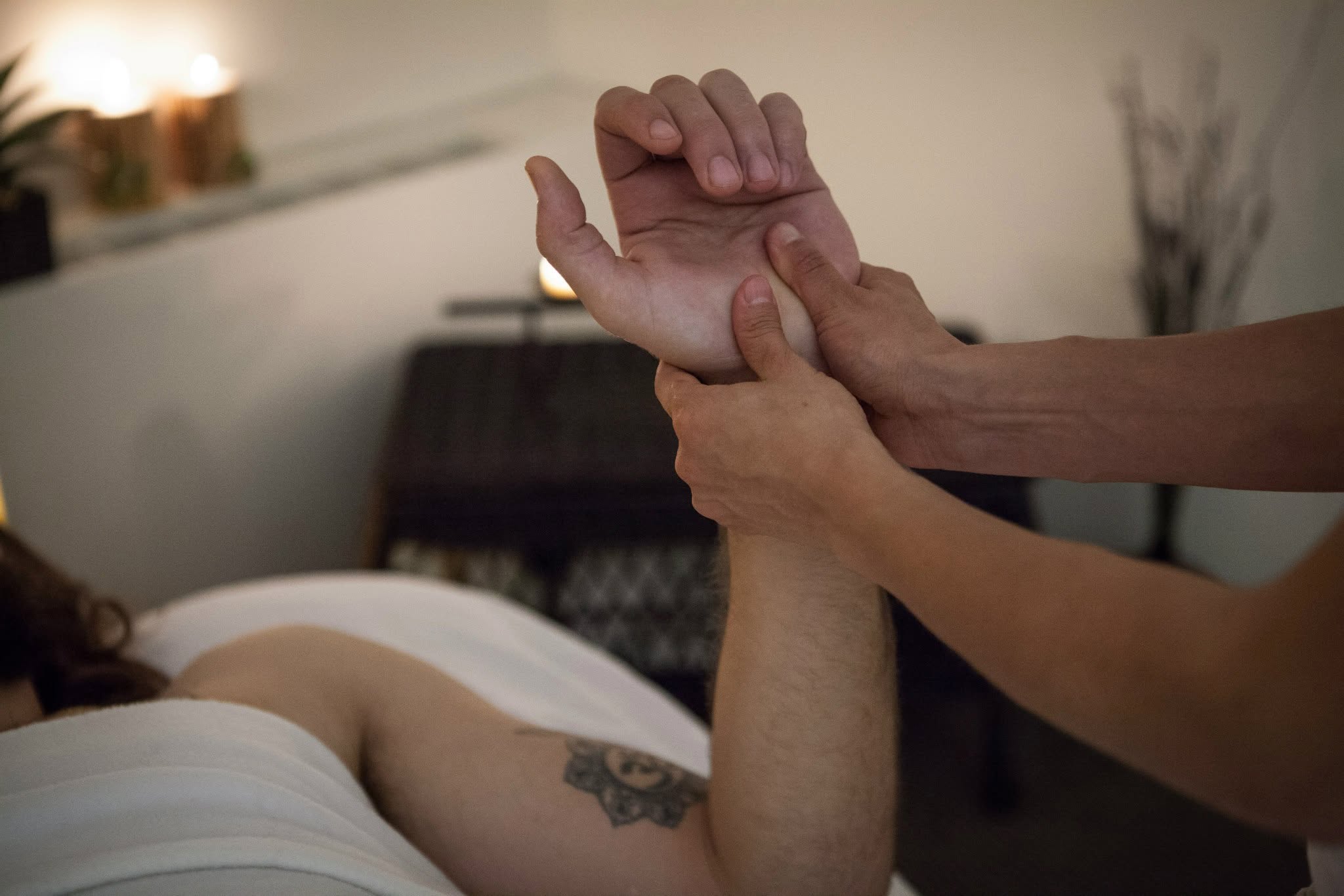

A common assumption about couples massage is that both people receive the exact same treatment, just in the same room. That’s not really how it works. While you and your partner are side by side in the same private suite, each of you has your own therapist, so the massage can look quite different from one side of the room to the other. And that’s kind of the point.
What each person needs matters. One partner might carry tension in their shoulders from sitting at a desk all day, while the other just wants something slow and relaxing.
A trusted couples massage spa in Denver, CO, will work with both of you separately before the session even starts, just to get a feel for what each person is walking in with. Knowing what to ask for ahead of time makes the whole thing go a lot smoother, too.
Starting With a Health History and Comfort Check
Every session begins with a short conversation before any massage work starts. Your therapist asks about:
- Current health conditions and injuries
- Allergies
- Specific areas of tension or concern
This happens individually for each partner, not as a joint conversation. That means one person’s intake might flag a sore lower back from physical activity, while the other mentions neck and shoulder tightness from long hours at a desk.
This step matters more than it might seem. A couples massage built around information the therapist doesn’t have is far less useful than one shaped by an understanding of what your body needs that day.
Guests are sometimes surprised at how much this short conversation changes the session, since it lets the therapist skip guessing and go straight to the areas that matter most. Two people who arrive with entirely different concerns end up with two noticeably different massages, even though they’re in the same suite at the same time.
Adjusting Pressure Throughout the Session
Pressure preference varies a lot from person to person, and it can even change for the same person from one visit to the next depending on stress levels, activity, or how their body is feeling that week. Rather than applying one fixed pressure level for the full hour, therapists check in periodically to confirm the pressure still feels right and adjust as needed.
This is part of why we do all our massage work fully by hand, without massage devices. A machine can’t respond to a comment like “a little lighter on my shoulders” or “you can go deeper here in the moment,” but a licensed therapist can.
For couples, this arrangement means one partner can ask for firmer pressure throughout the session while the other prefers something lighter, and both requests can be honored independently within the same appointment. Neither partner has to compromise their preference to accommodate the other.
Matching Technique to Each Partner's Goals
Beyond pressure, the actual technique used can differ significantly between two people in the same suite. One partner might be there mainly to unwind after a stressful week and benefit most from long, slow strokes that calm the nervous system.
The other might be dealing with a specific area of chronic tightness that responds better to more targeted, sustained pressure in a smaller area. Therapists are trained to read these differences and adjust their approach accordingly, rather than running through a single standard routine regardless of who’s on the table.
This is also where choosing between styles like Swedish and deep tissue comes in, since each partner can select the approach that fits their goals for that visit, even if the two sessions in the suite end up looking noticeably different from each other. A couple can even switch approaches between visits as their needs change from one season to the next.
Customization Beyond the Massage Itself
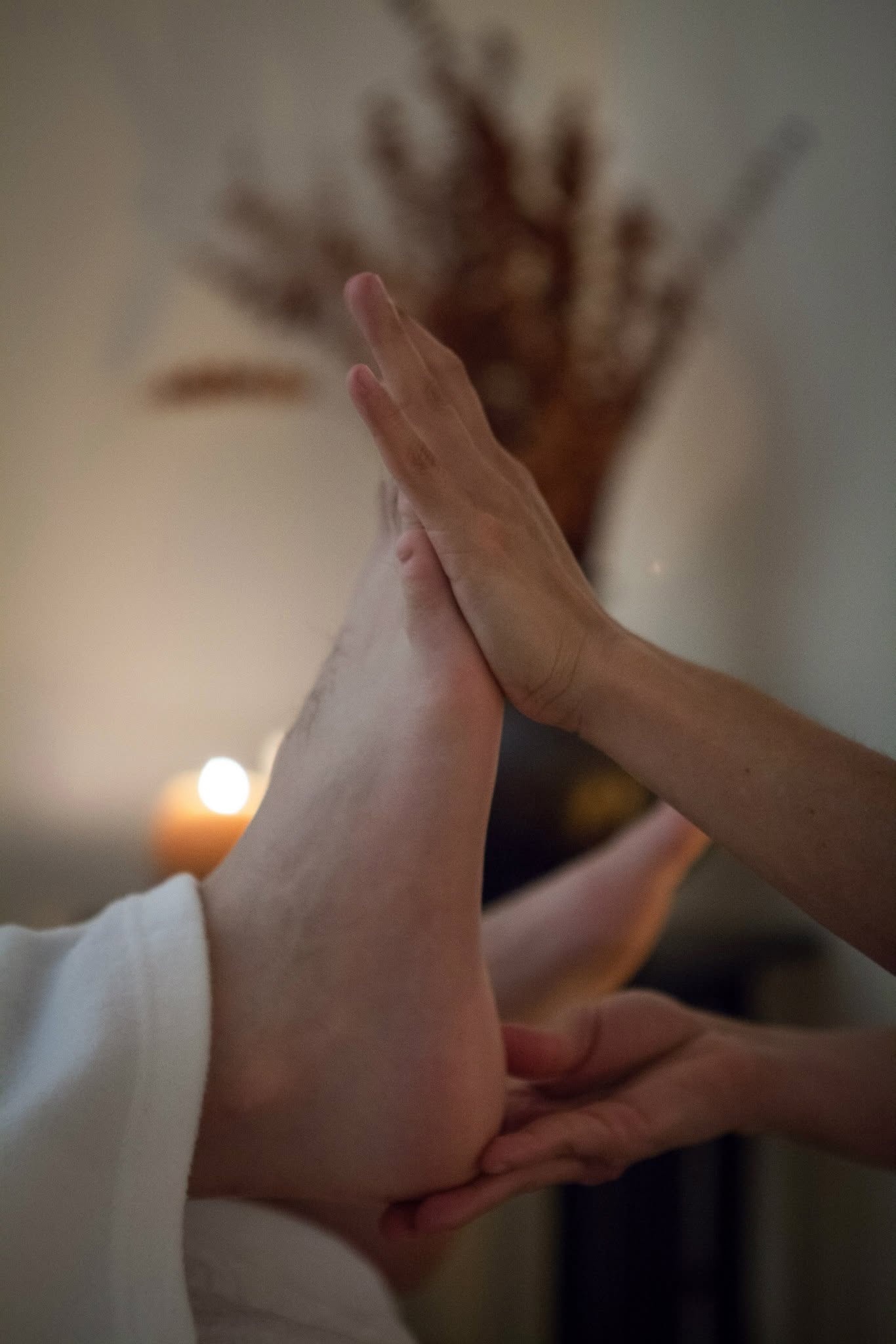
Personalization doesn’t stop at pressure and technique. Additional customization options include:
- Requesting a specific therapist or gender preference when booking, which matters for comfort and consistency, especially for couples who return regularly
- Add-ons like aromatherapy, which can be layered into either partner’s session individually, depending on preference, rather than applied uniformly to both people
- Occasion-based touches, such as room decor for an anniversary or a small surprise arranged ahead of time, which add another layer of customization that shapes how the visit feels
All of these small decisions add up to a session that’s built around the two specific people in the room rather than a generic couples package applied the same way to everyone.
Why This Level of Detail Matters for Couples Specifically
For a solo massage, customization is pretty straightforward. There’s only one set of preferences to work around. Couples massage, though, adds a bit of complexity because two people with different needs share the same time slot and space. That’s just a different challenge altogether.
Without real customization, one partner often ends up with a session that doesn’t quite fit, even if the other one walks out feeling satisfied. And you know, that kind of imbalance is easy to overlook until it becomes a pattern. Both people should feel like the session was built for them.
Getting this right is part of what makes a couples massage feel like a shared experience rather than two individual treatments running side by side out of convenience. When it’s done well, it can also improve communication between partners, since choosing preferences together and talking about what you each need is its own kind of check-in. The session feels intentional, not accidental.
That may be why so many guests return to the same suite rather than treating each visit as a one-off. When both people feel genuinely cared for, that feeling tends to last.
Meet Our Massage Therapists
Fully Licensed Massage Therapists in Denver
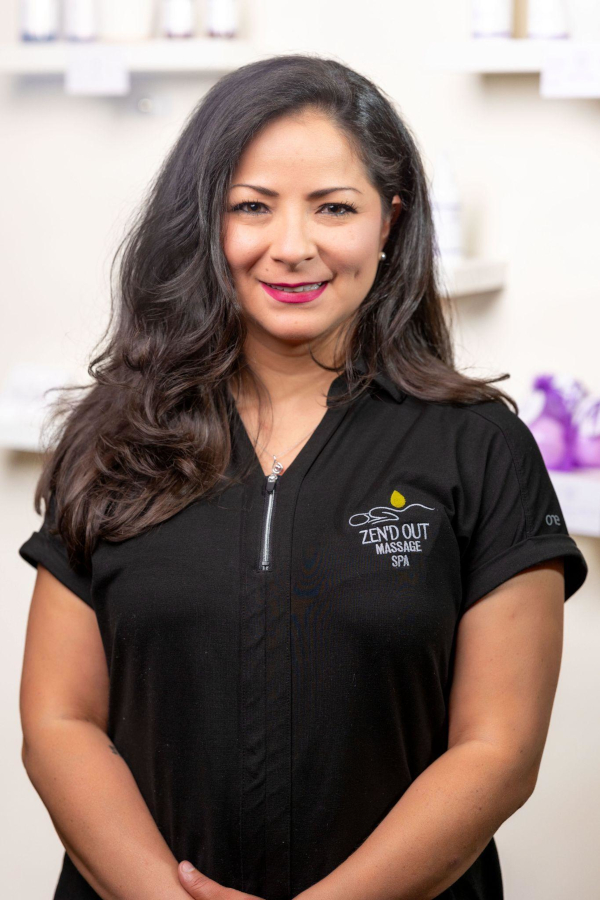
Maria Acuna
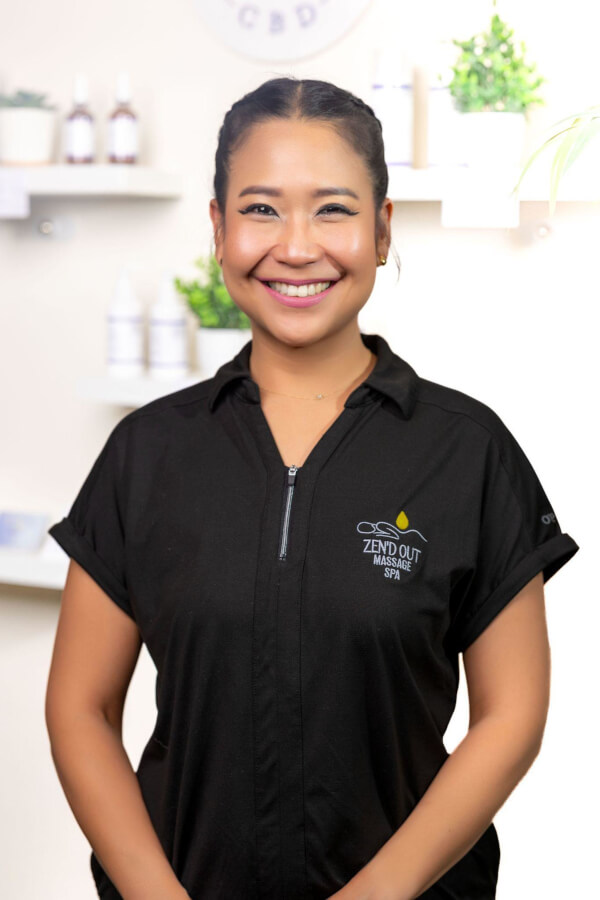
Prangtip Tipsangtong
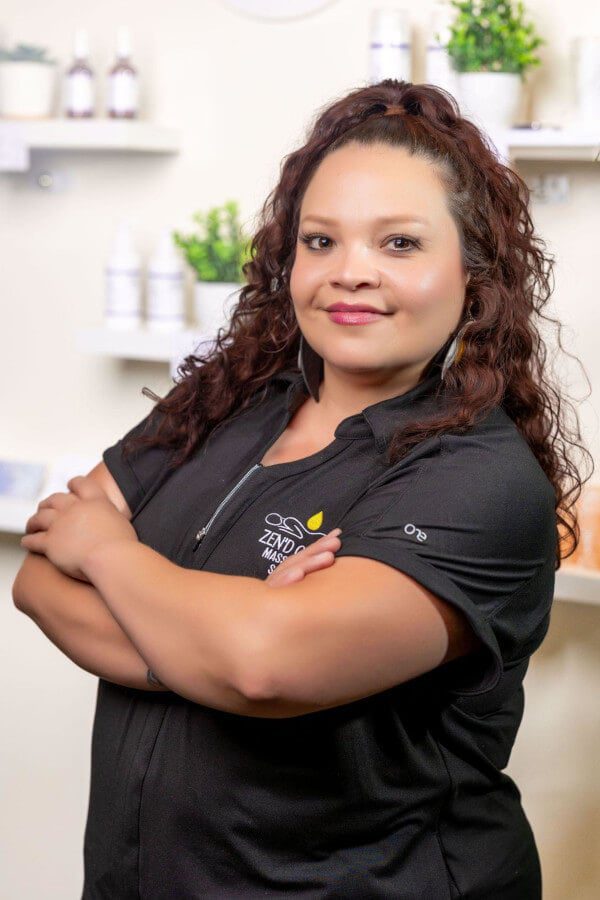
Elena Vegas

Sophia Luksic

Wanda Maddox